..........................................................................
The Peace & Justice Network Pakistan Advisory Board brings together respected professionals, rights advocates, legal experts, development practitioners, academics, and civil society leaders who provide strategic guidance and expert advice to advance the Network’s mission of promoting peace, justice, human rights, equality, and inclusive development in Pakistan. The Advisory Board supports the Network in strengthening its programmes, policy engagement, advocacy, research, partnerships, and institutional development, while contributing diverse expertise and perspectives on emerging social, legal, and governance challenges. Through their collective experience, networks, and commitment to rights and justice, members of the Advisory Board help ensure that the Network’s work remains credible, inclusive, evidence-based, and responsive to the needs and aspirations of communities across Pakistan.
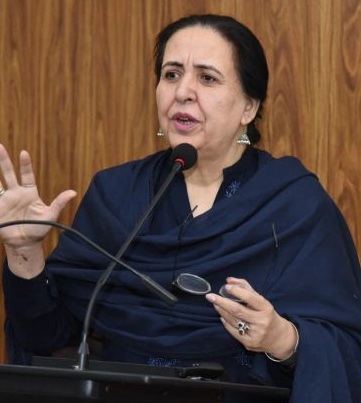
Rukhshanda Naz, Chairperson Peace & Justice Network Pakistan
Rukhshanda Naz is a prominent Pakistani women’s rights activist, lawyer, peace advocate, and human rights professional who has been actively engaged in the women’s movement since the early 1990s. With extensive experience addressing violence against women and children, women’s empowerment, refugee rights, peace-building, and gender-responsive policy, she has worked with leading civil society organizations including Aurat Foundation and has served as Head of the Global Human Rights Field Office for Afghanistan/Pakistan and Head of UN Women Pakistan’s Khyber Pakhtunkhwa/FATA division. In her voluntary capacity, she has contributed to the Pakistan-India People’s Forum for Peace and Democracy, UN Women’s Civil Society Advisory Group, and the Women’s Regional Network for Afghanistan, India, and Pakistan. She holds an LL.M. in International Law and a Master’s degree in Peace and Reconciliation Studies from Coventry University. In 2019, she was appointed as the first woman Ombudsperson for Khyber Pakhtunkhwa under the Protection against Harassment of Women at the Workplace Act and served two terms until March 2025. She is currently a founding Trustee of Mera Ghar, a women’s shelter established in 2003 under the Noor Education Trust. Her research and advocacy have focused on gender-sensitive legal frameworks, displacement and rehabilitation, women affected by conflict, and human rights, including research supported by the United States Institute of Peace (USIP). Her contributions have been recognized through provincial and national human rights awards, including the Provincial Human Rights Award, National Human Rights Award, Services to Local Government Award, and recognition for defending women’s legal rights by the National Commission on the Status of Women.
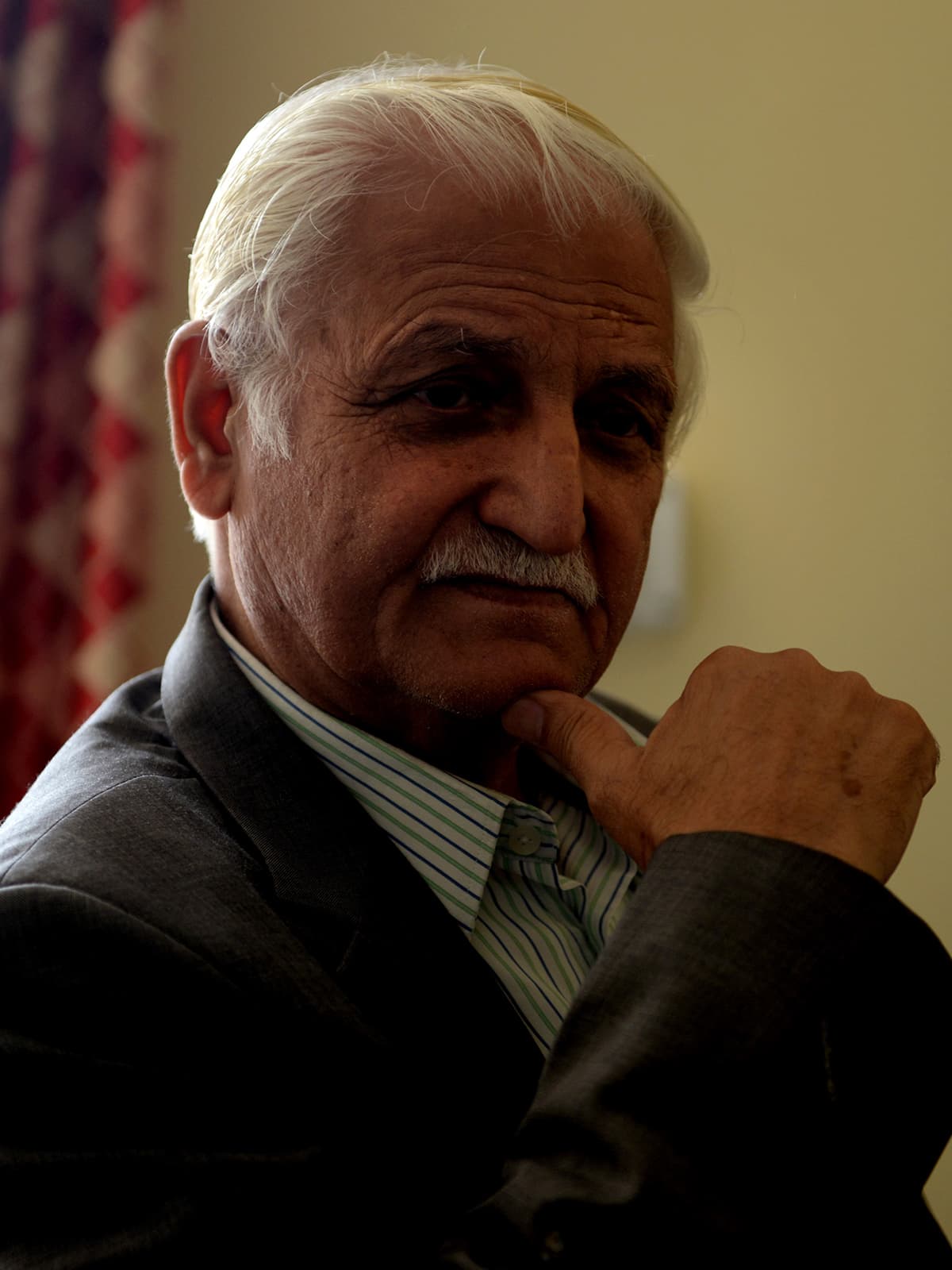
Farhat Ullah Babar, Human Rights & Justice Advisory Board Member
Farhat Ullah Babar is a distinguished Pakistani parliamentarian, human rights advocate, and public policy voice, widely recognized for his long-standing activism and legislative contributions to human rights, democracy, religious freedom, political transparency, provincial autonomy, and civil-military relations. During his tenure as a Senator, he played an active role in parliamentary debates and legislative processes concerning democratic governance, constitutional rights, institutional accountability, and civil liberties. He has also contributed to Pakistan’s academic and intellectual institutions, having served on the Senates of the University of Peshawar and the Pakistan Institute of Development Economics (PIDE), Islamabad, as well as on the Syndicate of Quaid-i-Azam University, Islamabad. A Life Member of the Pakistan Academy of Letters, he has made significant contributions to public discourse, democratic values, and political thought in Pakistan. In recognition of his services to the country, he was conferred the civil award Hilal-i-Imtiaz.
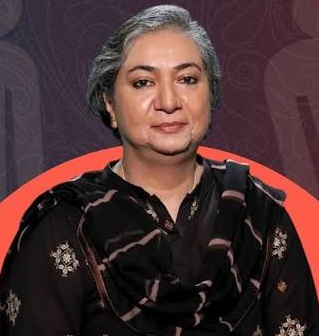
Ume Laila Azhar, Executive Director HomeNet Pakistan
Umme Laila Azhar is a prominent women’s empowerment, human rights, and labour rights activist and Executive Director of HomeNet Pakistan, where she leads efforts to organize and advocate for the rights, dignity, and improved working conditions of home-based and informal-sector women workers across Pakistan. A pioneer of the home-based workers’ movement in Pakistan, she has been actively engaged in advocacy, policy development, and implementation of pro-women and human rights legislation since entering the development sector in 2001, following an earlier career in journalism and teaching. She has served on several national and provincial policy and advisory bodies, including the Punjab Commission on the Status of Women, HomeNet South Asia Advisory Board, World Bank Pakistan Advisory Council on Gender Equality and Women’s Labor Force Participation, FPCCI Steering Committee on Women Economic Reforms, Punjab Provincial Vigilance Committee, Punjab Task Force on Domestic Workers Law Implementation, and Punjab Skills Development Fund. She has also contributed to national-level work through the National Commission on the Status of Women (NCSW), including serving as Interim Chairperson, and has been a member of the Punjab Commission on the Status of Women. In recognition of her contributions to women’s economic empowerment, informal-sector workers, and labour rights, she received the TIAW World of Difference Award in 2012 and Oxfam’s Women Economic Empowerment and Leadership Award in 2016. Her work continues to advance gender equality, decent work, women’s economic participation, and rights-based social protection for marginalized communities.
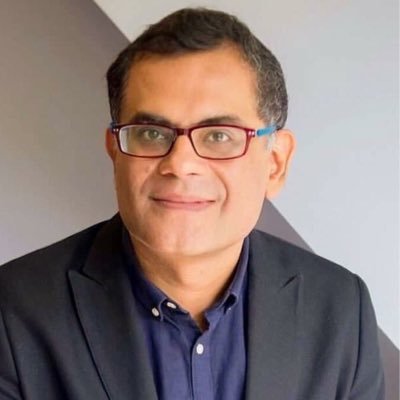
Raza Rumi, Advisory Board Member National Chapter
Raza Ahmad Rumi is a distinguished policy analyst, international development practitioner, author, journalist, and educator with extensive experience in governance, social development, security, communications, and democratic transitions. He currently serves as a Distinguished Lecturer at the City University of New York and is a faculty member at the Brooks School of Public Policy at Cornell University, having previously served as Director of the Park Center for Independent Media at Ithaca College from 2018 to 2024. He has held fellowships at the New America Foundation and the United States Institute of Peace and has been associated with Georgetown University’s Laboratory for Global Performance and Politics and the Jinnah Institute in Islamabad. A prominent media professional, Rumi has edited Pakistan’s Daily Times, serves as editor of The Friday Times, and is the founder of NayaDaur Media, while his commentary and writing have appeared in leading international and regional publications and media outlets. Before entering journalism, he worked as a governance and capacity development specialist with the Asian Development Bank, Government of Pakistan, United Nations Mission in Kosovo, and various national and international development organizations, advising institutions including UNICEF, UNDP, UNOPS, the World Bank, and UKAid. He joined the Pakistan Administrative Service in 1994 after topping the civil service examination and holds a Bachelor’s degree in Economics and a Master’s degree in Social Planning from the London School of Economics, along with training in law and public administration. He is the author of several acclaimed books, including Delhi by Heart, The Fractious Path: Pakistan’s Democratic Transition, Identity and Faith and Conflict, and Being Pakistani: Society, Culture and the Arts, and co-editor of Rethinking Pakistan. Through his academic, policy, media, and literary work, Rumi continues to contribute to informed public discourse, democratic governance, social development, and peace and security in Pakistan and internationally.
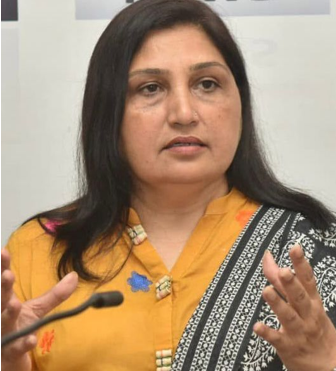
Bushra Khaliq, Executive Director Women in Struggle for Empowerment (WISE)
Bushra Khaliq is a prominent women’s rights and human rights activist and currently serves as Executive Director of Women in Struggle for Empowerment (WISE), a women-led organization based in Lahore. With over 24 years of experience in working-class movements, women’s rights, and human rights advocacy in Pakistan, she has played a leading role in advancing the women’s rights agenda through grassroots organizing, feminist campaigns, advocacy, and policy engagement. She has extensive experience in organizing women at the community level, documenting and amplifying their concerns through media, designing public awareness campaigns, and engaging government institutions and policymakers through advocacy and lobbying. She has also designed and delivered numerous educational and capacity-building programmes on women’s and human rights issues and has maintained strong linkages with social movements and civil society networks at regional and international levels. Through her national and international engagement, she has represented Pakistan in various forums and contributed to strengthening solidarity and collective action for gender equality, social justice, women’s empowerment, and human rights.
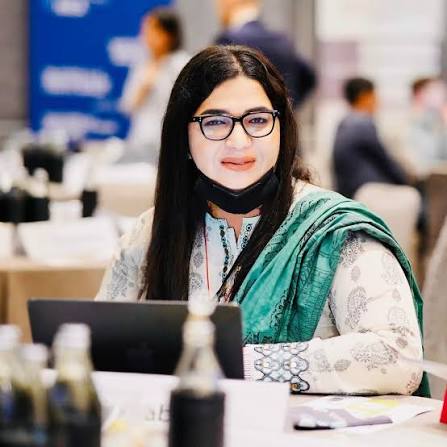
Nayyab Ali, Advisory Board Member Gender & Inclusion
Nayyab Ali is a globally recognized human rights defender, gender policy strategist, researcher, published author, and leading advocate for transgender inclusion in Pakistan, with over 12 years of experience in human rights, gender equality, and inclusive governance. She has advised various ministries of the Government of Pakistan on inclusive policies and frameworks and currently serves as Incharge of the Transgender Protection Unit and Additional Incharge of the Gender Protection Unit at Islamabad Police, where she has pioneered transformative policing models, protection mechanisms, and training frameworks to address gender-based violence and safeguard marginalized communities. She played a pivotal role in the development of Pakistan’s Transgender Persons (Protection of Rights) Act, 2018, and has led initiatives including the Trans Inclusive City campaign, Tahaffuz Markaz protection centres, dedicated police units, and specialized SOPs for law enforcement agencies. Nayyab is a U.S. Department of State International Visitor Leadership Program (IVLP) alumna and the first legally recognized transgender woman to contest elections for Pakistan’s highest legislative assembly. She serves as Executive Director of Transgender Rights Consultants Pakistan, is a member of the Commonwealth Equality Network, and has served as a Transgender Inclusion Advisor to UNDP Pakistan. She has represented Pakistan at major international platforms, including CHOGM and CEDAW reviews, and has contributed as an independent expert and consultant to government institutions, international organizations, and UN agencies. Her contributions have been recognized through seven international honors, including the Franco-German Human Rights Prize, GALAS International Activist Award, and WIN DRR Award for Inclusive Disaster Risk Reduction. Through her advocacy, policy leadership, research, and institutional engagement, she continues to advance transgender rights, gender equality, social justice, and inclusive governance nationally and internationally.
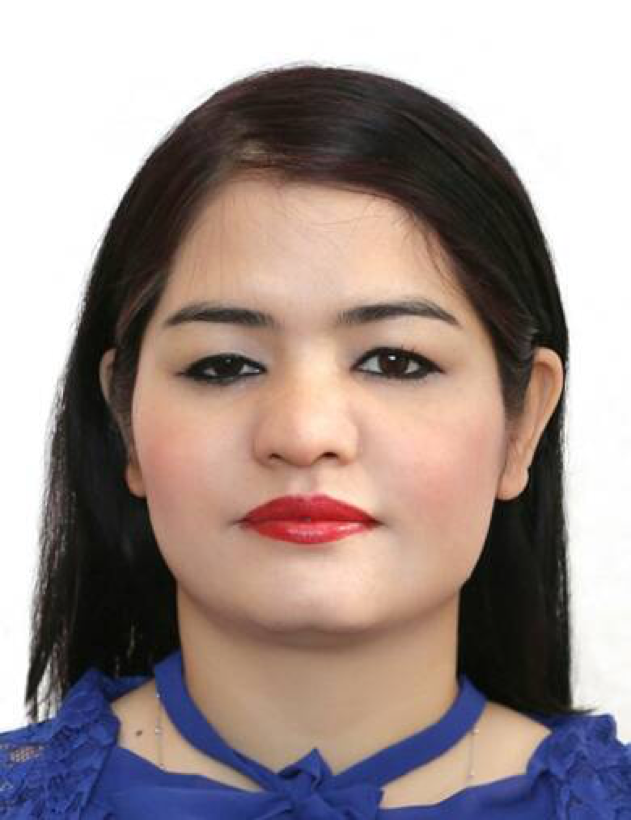
Jalila Haider (Advocate), Advisory Board Member Human Rights & Rule of Law
Jalila Haider is a Pakistani lawyer, academic, legal practitioner, and prominent human rights activist known for her advocacy on women’s rights, minority rights, civil rights, access to justice, and gender equality. Based in Balochistan, she has dedicated her work to advancing the rights of marginalized and vulnerable communities and strengthening access to justice and legal protection. She gained national and international recognition for her peaceful activism, including a hunger strike advocating for justice and accountability for the Hazara community. She is also the founder of We the Humans Pakistan, an organization focused on empowering women, promoting human rights awareness, and supporting marginalized communities. Her contributions to human rights and social justice have received significant international recognition, including being named among the BBC 100 Women and receiving the International Women of Courage Award in 2020. In 2023, she was honored with the Global Justicia Award for her continued commitment to justice, equality, and the protection and empowerment of vulnerable communities.

Urooj Raza Sayyami, Media and Human Rights
Urooj Raza Sayyami is an award-winning senior journalist, television anchor, author, media strategist, and development consultant with over 17 years of experience in broadcast journalism and more than a decade of leadership in public policy, governance, human rights, and strategic communications. She has hosted prime-time current affairs programmes on leading Pakistani television networks and contributed reporting and analysis to international media, including BBC World and Deutsche Welle, covering politics, governance, security, human rights, gender equality, and regional affairs. A regular columnist for Minute Mirror and Independent Urdu, she is also the author of Sach Tau Yeh Hay, a political biography exploring Pakistan’s contemporary political landscape. Beyond journalism, Urooj advises national and international organizations on strategic communication, democratic governance, youth engagement, peacebuilding, and policy advocacy, and has worked with organizations including UNESCO, UNODC, WHO, Friedrich Naumann Foundation, Hans Seidel Foundation, the World Bank, and the Asian Development Bank. She has led policy dialogues, moderated international forums, and designed development initiatives focused on social and institutional impact. With academic qualifications in Mass Communication, Urdu Literature, and Law, she has completed prestigious fellowships and leadership programmes at Chatham House, Deutsche Welle Akademie, the University of Bonn, Helmut Schmidt University, and Germany’s International Academy for Leadership, and has participated in the National Security Workshop and National Media Workshop at the National Defence University. Her work brings together journalism, policy, strategic communication, and civic engagement to promote informed public discourse, inclusive governance, and social development in Pakistan and beyond.
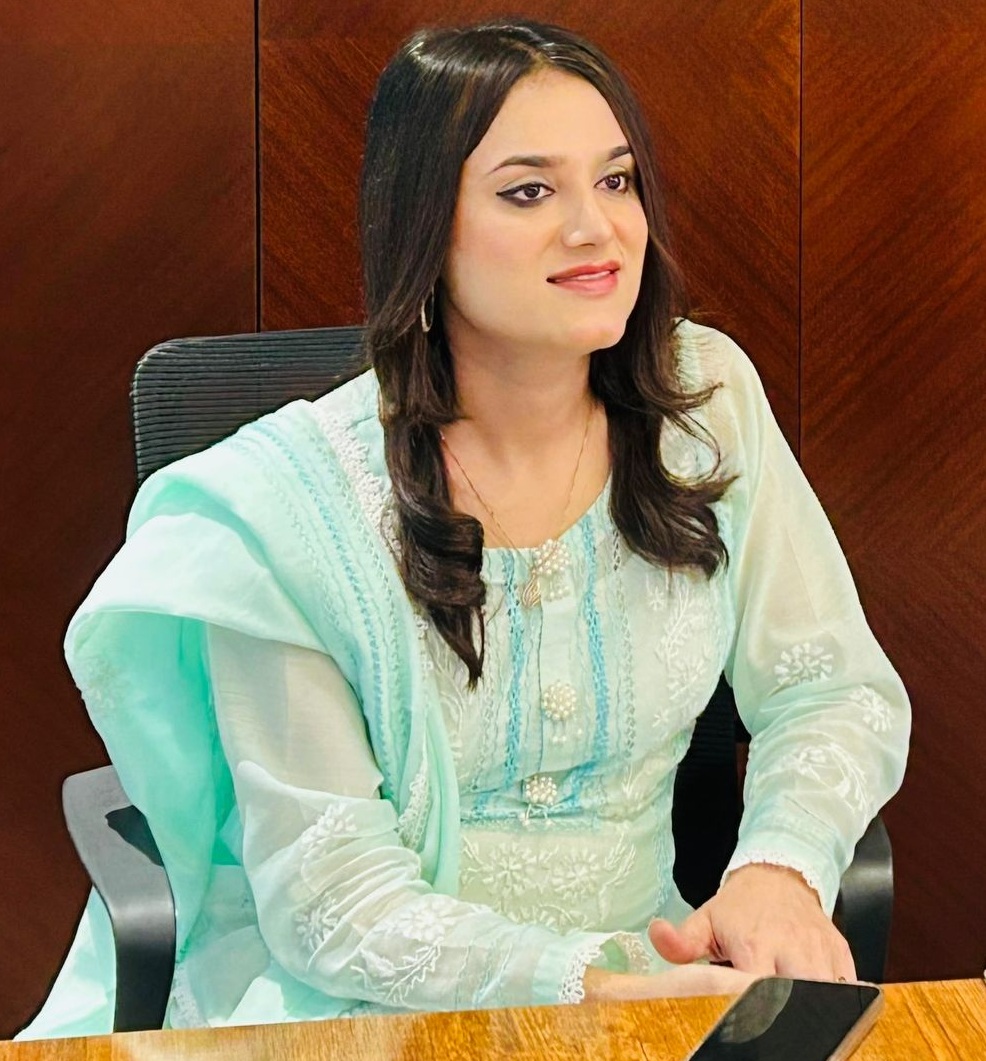
Mahnoor Chaudhary, Executive Director Khawaja Sira Society
Mahnoor Ch is an accomplished development practitioner, social scientist, gender rights expert, and community development specialist with extensive experience advancing gender equality, HIV awareness, social justice, and the rights of marginalized communities in Pakistan. She has served as Program Director of the Khawaja Sira Society, where she successfully led and implemented major initiatives, including the Multi-Country South Asia Global Fund Project, and has played a key role in developing community-led models and programmes that improve access to HIV prevention, treatment, skills development, and social protection services. A recognized trainer and technical expert, she has delivered capacity-building programmes for police officers in Lahore and Rawalpindi and contributed to the technical development of policies and guidelines for the National AIDS Control Programme. Her contributions have earned her the Community Hero Award for work on HIV, equality, and rights, along with recognition from the Governor of Punjab and the President of the United States. She currently contributes to policy and programme development through her membership of the Prime Minister’s Council Pakistan, serves as a community-based implementing partner of UNDP, is a member of the Global Fund Advocates Network Steering Committee, and works as a consultant with the Punjab Skills Development Fund (PSDF), designing community and skills-building programmes for minority and marginalized communities. Through her technical expertise, advocacy, and community-centred approach, Mahnoor continues to promote inclusive development, gender rights, health equity, and socio-economic empowerment.
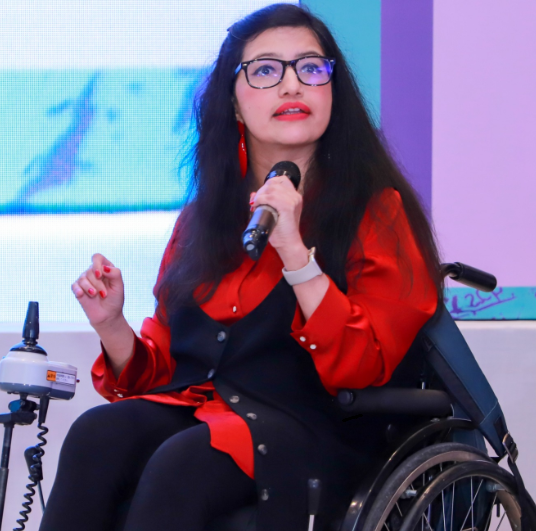
Abia Akram, Founder National Forum of Women with Disabilities (NFWWD)
Abia Akram is a globally recognized disability rights and women’s rights leader, gender expert, and advocate with a personal experience of physical disability and more than two decades of engagement in the disability movement since 1997. She has played a pivotal role in advancing disability-inclusive legislation, policies, and development frameworks in Pakistan and internationally, including contributing to Pakistan’s first legislation protecting the rights of persons with disabilities and advocating for the implementation of the UN Convention on the Rights of Persons with Disabilities (CRPD). She has served as a trustee of Sightsavers UK, a Disability Advisory Board Member of the Foreign, Commonwealth & Development Office (FCDO), Member of Pakistan’s Council on the Rights of Persons with Disabilities, and Gender Advisor to the National Commission on the Status of Women (NCSW). Recognized among the BBC 100 Women 2021, she has received the Human Rights Presidential Award, WIN DRR Award, British Council UK Alumni Award, Khadija Tul Kubra Distinguished Award of the Women Parliamentary Caucus, and has been recognized among the Chevening 35 Global Changemakers. Abia has founded and led several influential disability and women’s rights networks, including the Special Talent Exchange Program (STEP), National Forum of Women with Disabilities (NFWWD), Age Disability and Diversity Task Force (ADDTF), Asia Pacific Women with Disabilities Network (APWWDU), and Global Forum on the Leadership of Women with Disabilities (GFLWWD). Her work spans disability inclusion in education, livelihoods, disaster risk reduction, political participation, sexual and reproductive health and rights, and gender-based violence prevention and response, with capacity-building initiatives reaching organizations in more than 20 countries. She has contributed to global efforts on the Sustainable Development Goals and disability-inclusive development, participated in high-level UN forums, and worked across more than 30 countries as an advocate, trainer, board member, and thought leader. A Chevening Scholar, she holds a postgraduate degree in Gender and International Development from the University of Warwick, UK, and continues to champion the leadership, rights, dignity, and meaningful participation of women and persons with disabilities globally.
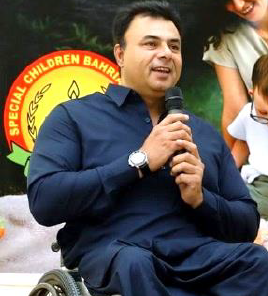
Asim Zafar, CEO Sayya Association of Persons with Disabilities
Asim Zafar is a senior disability-inclusive development advisor with over 25 years of experience in disability rights, advocacy, training, independent living, and inclusive development. Diagnosed with polio at the age of three and a wheelchair user since childhood, he has transformed his personal experience into a lifelong commitment to advancing the rights, dignity, and inclusion of persons with disabilities in Pakistan. He currently serves as CEO of the Saaya Association of Persons with Disabilities, which promotes independent living, awareness, and equal participation of persons with disabilities, and also works as an Inclusion Manager with HANDS and as Secretariat Coordinator of the Community-Based Inclusive Development (CBID) Network. As a disability rights advocate, trainer, athlete, and policy practitioner, Asim has participated in international training and learning programmes across Asia, Europe, the Middle East, and the United States on disability inclusion, independent living, rights, and policymaking. A former Paralympic athlete, he represented Pakistan internationally and won two gold medals, including at the Nagoya Handi Marathon Wheelchair Race in Japan. Following the 2005 earthquake in Pakistan, he led initiatives supporting affected communities, particularly persons with disabilities, under a Japan Social Development Fund project funded by the World Bank. He subsequently served as President of MILESTONE for eleven years before founding the Saaya Association in 2008. His work continues to focus on creating practical models of independent living, strengthening disability-inclusive policies and legislation, and building a society where persons with disabilities can live with dignity, equality, and full participation.
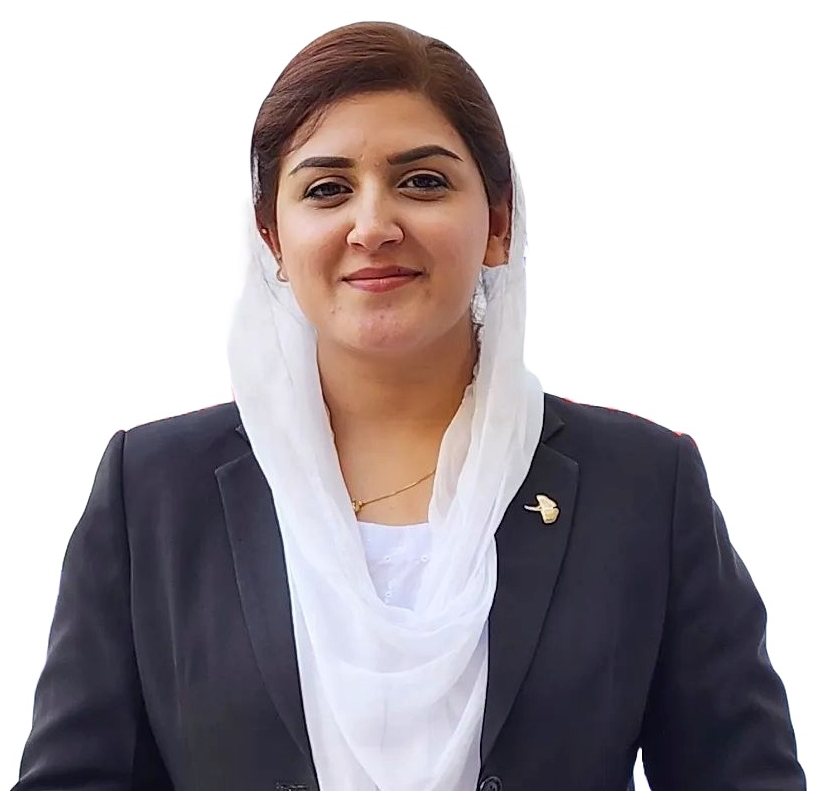
Nida Khan (Advocate), Rule of Law Advisor
Nida Khan is a lawyer and legal reform advocate with a growing national presence in Pakistan’s justice sector, committed to rights-based development, inclusive governance, and gender justice. With active legal practice and experience across litigation and policy spaces, she has represented individuals and institutions in diverse forums, with particular attention to vulnerable communities and public interest matters. Nida has contributed to initiatives in legal education, dispute resolution, public legal awareness, accountability, and transparency, and has played an active role in rule of law programmes across Pakistan while supporting the advancement of alternative dispute resolution as part of broader justice system reforms. Her contributions were recognized through her selection by the US State Department for a professional exchange on justice reforms, where she engaged with international leaders on innovation and institutional change. Her work is grounded in empathy, professionalism, and a strong belief in collective civic engagement as a means of strengthening access to justice and advancing a more inclusive and accountable justice system in Pakistan.
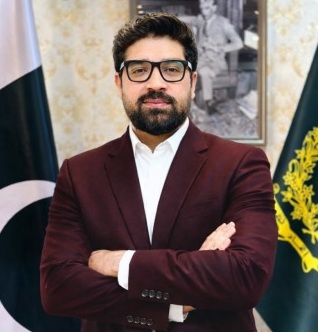
Qamar Naseem, Executive Director Blue Veins
Qamar Naseem is a human rights defender, strategist, and development professional with over two decades of experience advancing the rights of women, girls, and marginalized communities in Pakistan. He currently serves as Program Manager at Blue Veins, a women-led human rights organization based in Khyber Pakhtunkhwa, where he leads initiatives focused on organizational development, policy advocacy, strategic planning, leadership development, gender mainstreaming, and community mobilization. His work combines a pragmatic, community-centered approach with expertise in social innovation, strategic communications, campaign development, inclusive governance, access to justice, and gender equality. He has served as a Malala Fund Education Champion, National Co-Convener of the Pakistan Education Campaign, Co-Chair of the End Violence Against Women and Girls Alliance supported by UN Women, National Lead for Girls Not Brides – The Global Partnership to End Child Marriage, and Provincial Lead for the Alliance to End Early and Forced Marriages. He has also been notified as a Goodwill Ambassador by the Right to Services Commission, Government of Khyber Pakhtunkhwa, and serves on advisory bodies including the Provincial Advisory Committee of the National Commission for Human Rights (NCHR) and the Civil Society Advisory Committee of the Khyber Pakhtunkhwa Commission on the Status of Women (KPCSW). As a consultant, he has contributed to institutional strengthening and policy development with UN Women, UNDP, FAO, and the International Center for Not-for-Profit Law (ICNL), while also sharing his expertise as visiting faculty at leading academic and public-sector institutions. His contributions have been recognized internationally through the No Peace Without Justice International Award of Courage and a Gold Medal from the World Alliance for Breastfeeding Action (WABA) for innovative community engagement. He holds a Master’s degree in Social Sciences and continues to lead and support initiatives promoting human rights, democratic participation, gender equality, and sustainable development in partnership with national and international organizations.
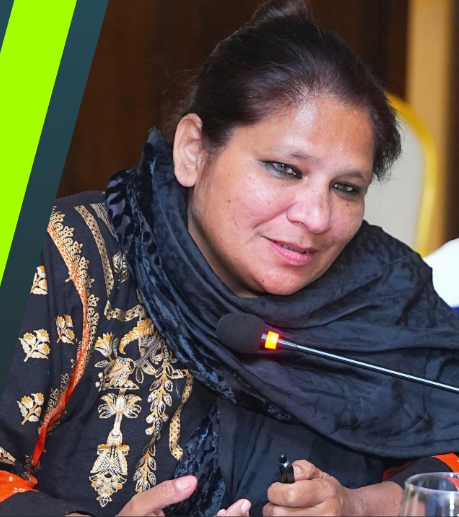
Zahida Hameed Qureshi, Founder Society for Special Persons (SSP)
Zahida Hameed Qureshi is the Founder and CEO of the Society for Special Persons (SSP), a disability rights activist, social entrepreneur, and inclusive development leader from Multan, Pakistan, and a pioneer of customized wheelchairs in the country. A polio survivor who pursued higher education and earned a Master’s degree in Economics from Bahauddin Zakariya University, she founded SSP in 2008 to advance the rights, dignity, accessibility, and inclusion of persons with disabilities through education, vocational training, employment, assistive technology, rehabilitation, and policy advocacy. Under her leadership, SSP has conducted a survey of more than 10,500 persons with disabilities, distributed over 8,000 customized wheelchairs across Pakistan, trained more than 1,000 persons with disabilities in vocational skills, and empowered women with disabilities through self-help groups across 13 districts of Southern Punjab. She has led landmark initiatives including Pakistan’s first customized wheelchair training curriculum for NAVTTC and Azm-e-Nau, a digital platform supporting entrepreneurs with disabilities, while also advocating successfully for accessibility in banking, public infrastructure, transportation, and disaster response. She has represented Pakistan at international forums, including UN platforms, the Asia-Pacific Conference on Gender Equality, and the Global Disability Summit, and has advised national and provincial institutions on disability-inclusive policies and assistive technology programmes. Her institutional roles include membership of the Punjab Council on the Rights of Persons with Disabilities, National Coordination roles in disability networks, and previous service on the UN Women Civil Society Advisory Group. Her contributions have been recognized through several national awards, including the Fatima Jinnah Woman of the Year Award, Pride of Pakistan Award, Young Leadership Award, and Corona Fighter Hero Award. Through her lived experience, grassroots leadership, advocacy, and innovation, Zahida Hameed Qureshi continues to champion an accessible, inclusive, and equal Pakistan for persons with disabilities, particularly women and marginalized communities.
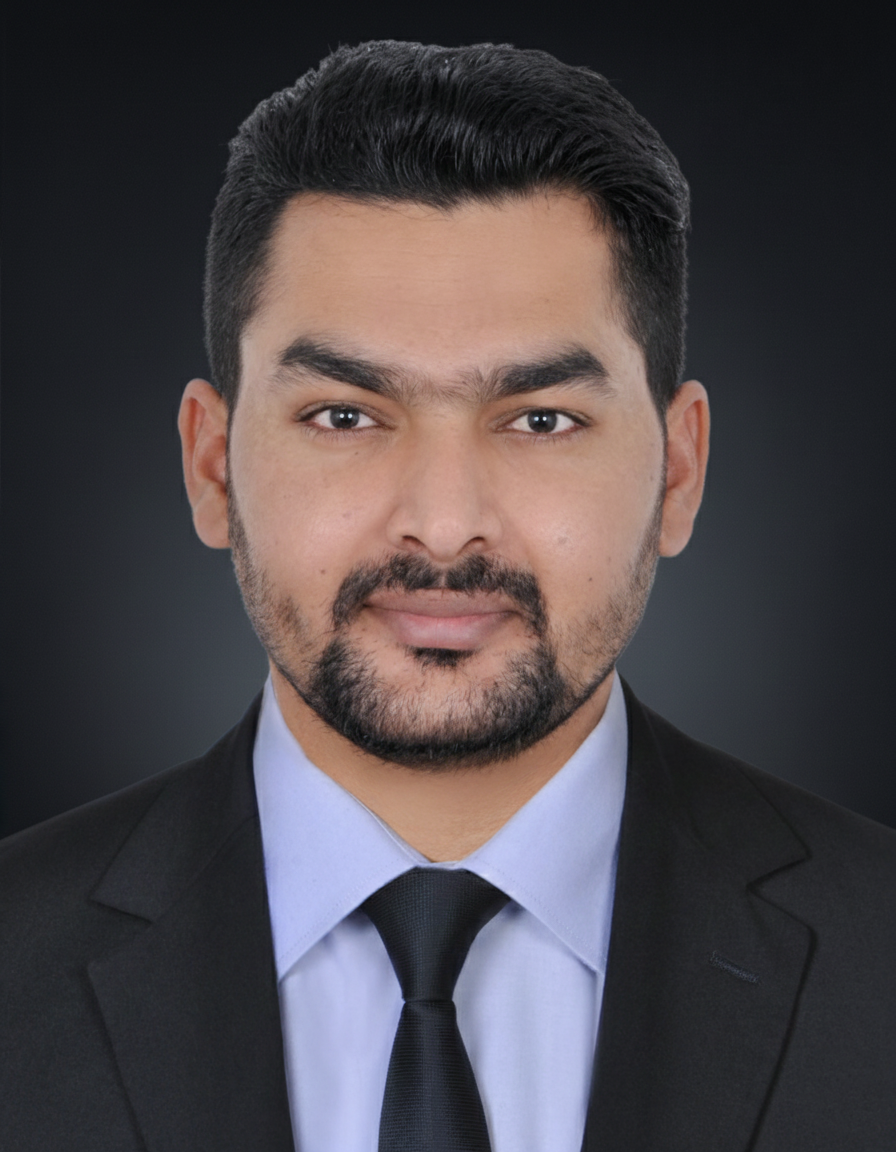
Lala Chaman Lal, Youth & Minority Affairs Advisory Board Member
Lala Chaman Lal is an award-winning human rights professional, minority rights advocate, and social development leader with over ten years of experience in policy advocacy, legal empowerment, and the protection of religious minorities in Pakistan. He serves as a Member of the Provincial Advisory Committee of the National Commission for Human Rights (NCHR), Youth Member of the National Advisory Board of the Peace & Justice Network (PJN), and has held key representative roles including Provincial Forum Member of the Aawaz II Punjab Province Forum supported by the British Council/FCDO and Minorities Coordinator (Punjab) with the Human Rights & Minorities Affairs Department. Recognized by the Governor of Punjab as a “Youth Champion for Minorities Rights,” he is also the first Pakistani Hindu to successfully complete the KAICIID Fellowship, contributing to international efforts promoting interfaith dialogue, inclusivity, and religious equality. He has served as an External Reviewer for Hinduism Religious Education textbooks for the Punjab Curriculum & Textbook Board and is the Founder and CEO of Human Rights and Welfare International (HRWI), where he leads grassroots initiatives, including academic coaching for more than 250 underprivileged children. His work in legal empowerment includes independently monitoring and documenting more than 250 verified cases of religious persecution and delivering specialized human rights training for legal professionals. Featured in the Meta-supported documentary Cerita Stories, his advocacy reflects a personal commitment to overcoming systemic barriers and advancing the rights of marginalized communities. He continues to contribute to interfaith peace-building, human rights advocacy, and policy dialogue, working toward a just, peaceful, inclusive, and legally empowered society grounded in constitutional rights and equality.

Arooj Un Nissa Awan (Advocate), Refugees, Migration & Trafficking Work Advisory Board Member
Arooj Un Nissa Awan is an experienced High Court Advocate, Program Manager, and Trainer with over 12 years of expertise in law, social development, and program leadership. She holds an LL.M. in Constitutional Law, with a thesis on the principle of non-refoulement in the absence of refugee laws in Pakistan, as well as a Master’s degree in Political Science. She has led major international programmes, including UNHCR’s Legal Aid and Advocacy Center, managing legal aid operations across 24 districts in Punjab, and programmes supported by UNHCR and the Swiss State Secretariat for Migration. Trained by UNODC, UN-IOM, UNHCR, and the American Bar Association, she has specialized expertise in gender-based violence, child protection, trafficking in persons and smuggling of migrants, migration, sexual and reproductive health and rights, and refugee law. As Permanent Visiting Faculty at CIMLA, she provides specialized training to judges, prosecutors, police officials, and civil servants. She also serves as a member of the National Executive Council of Peace & Justice Network Pakistan, contributing to inclusive policy agendas focused on equality, accountability, human rights, migration, and refugee protection. Her work is widely recognized for advancing human rights, refugee protection, anti-trafficking initiatives, and rights-based migration governance through advocacy, programme management, capacity building, and institutional engagement.
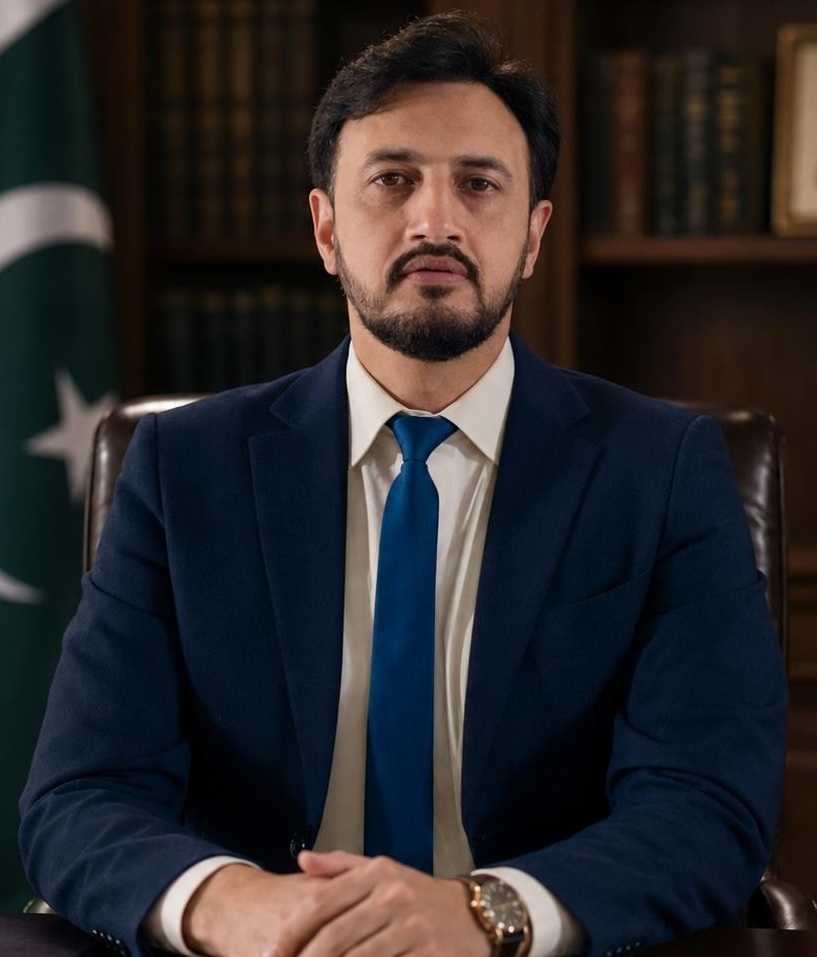
Mubashir Banoori, Youth, Education and Humanitarian Work Advisory Board Member
Mubashir Banoori is a seasoned development professional with over 15 years of experience in education, youth development, humanitarian assistance, and social sector programming in Pakistan. He currently serves as Technical Advisor to the Federal Minister for Education on Life Skills-Based Education (LSBE) and as Senior Technical Advisor for Programme and Institutional Development at Promoting National Cohesion (PNC), while also serving as National Commissioner (Coordination) with the Pakistan Boy Scouts Association. A U.S. State Department International Visitor Leadership Program (IVLP) alumnus, he has previously served as Chief Executive Officer of ACT International and continues to contribute as a technical resource to the British Council Pakistan and NAHE-HEC. His expertise includes government liaison, organizational development, girls’ education, sexual and reproductive health, LSBE, nutrition, humanitarian response, youth development, Accountability to Affected Populations (AAP), and Community Engagement (CE), with a strong focus on women, girls, children, and marginalized communities. He has led the development of LSBE curricula, teacher training manuals, assessment frameworks, textbooks, and the National Youth Development Index 2026, and designed one of Pakistan’s largest social sector initiatives under BISP, supporting the enrolment of more than 1.3 million children, particularly girls, across 32 districts. He has also contributed to major national policy processes, including the National Youth Development Index, National Digital Material Review Policy, and Pakistan’s first Education in Emergencies Framework, demonstrating strong capacity in evidence-based planning, policy development, research, evaluation, and multi-stakeholder programme leadership.
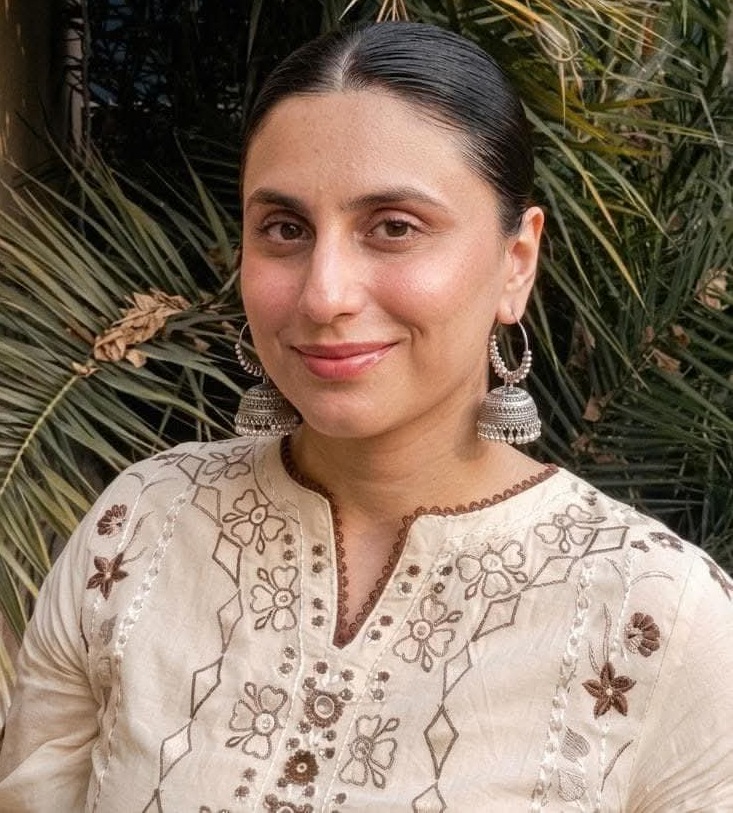
Roshatey Jannat, AI and Technology Advisory Board Member for Rights and Justice
Roshatey Jannat is a Senior Manager, Technology Projects & Applications at the Special Technology Zones Authority, where she leads the design and delivery of technology-driven initiatives contributing to Pakistan’s innovation ecosystem. Her work focuses on developing scalable digital platforms, advancing AI-enabled transformation in the public sector, and aligning technology initiatives with national development priorities. With a multidisciplinary background spanning computer science, business, and public policy, she works at the intersection of technology, governance, and social impact, translating strategic priorities into practical solutions and supporting the responsible adoption of emerging technologies. Her expertise includes technology project management, digital transformation, AI applications, institutional innovation, and citizen-centric technology solutions within public-sector frameworks.
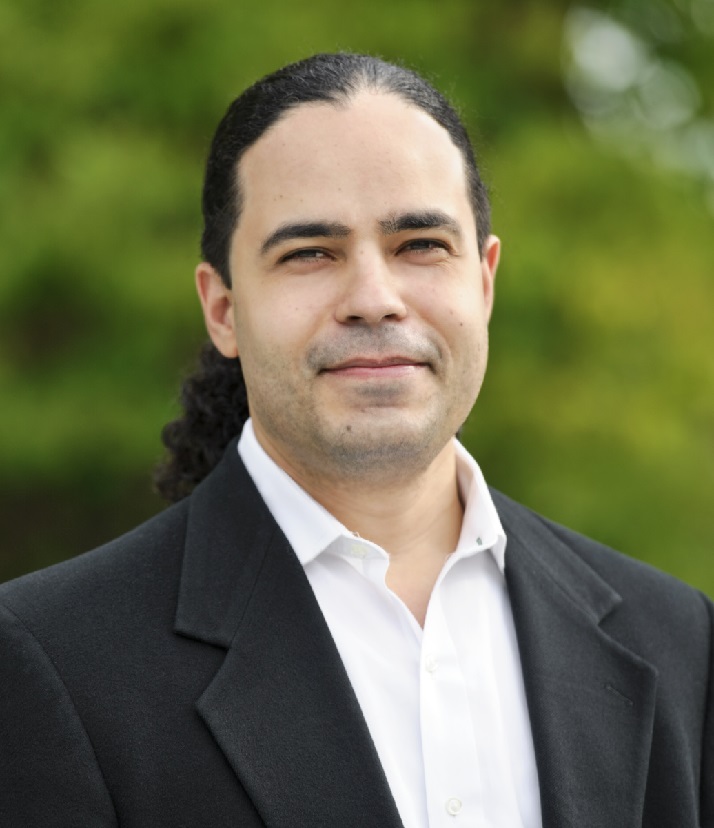
Dr. Reynaldo Ortiz-Minaya (Human Rights)
PJN’s International Technical Advisor and Fulbright Specialist Scholar Dr. Reynaldo Ortiz-Minaya is a trained world-historical sociologist who specializes in world-historical structures of penal confinement and labor formation. Realizing his doctoral studies at Binghamton University of the State University of New York, Dr. Ortiz-Minaya has completed international studies in Russia, Ecuador, Cuba, Spain, and France examining the historical relationship between penal confinement and the accumulation of profits under varying economic systems. His doctoral dissertation examined how the conditions of existence and maintenance of slave societies were being produced spatially and visually via the residential patterns and material policing of persistently wayward captive populations. His forthcoming book manuscript is titled, From Plantation to Prison: Visual Economies of Slave Resistance, Criminal Justice, and Penal Exile in the Spanish Caribbean, 1820-1886. In Pakistan, Dr. Reynaldo work examining the overcrowding of prisons in Pakistan along with the challenges to the rule of law and criminal justice reform. On a broader and contemporary level, Dr. Reynaldo is investigating the emerging global trend of mass incarceration, specifically looking at the growth of prison populations in the regions of South Asia, Middle East and the Caribbean.
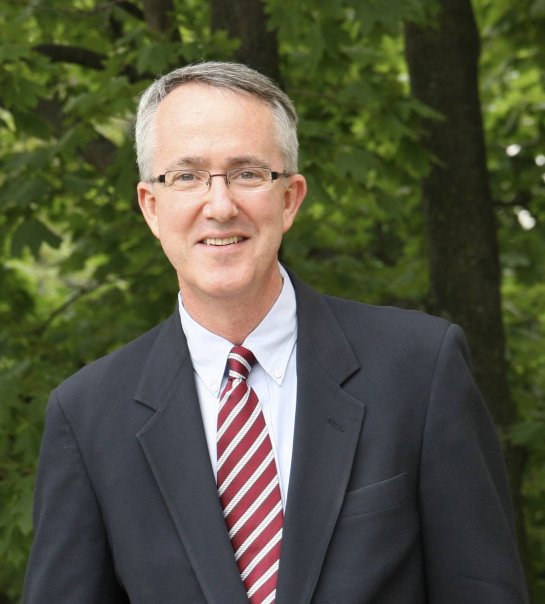
Frederick P Rooney (Access to Justice)
Mr. Frederick Rooney earned his J.D. from the City University of New York’s (CUNY) School of Law in 1986. In 1998 he returned to CUNY Law to direct a “unique public/private partnership” that offered a network of support and resources for CUNY Law graduates committed to increasing access to justice through their solo and small firm practices. The New York Law Journal, New York Times, Legal Times and American Bar Association Journal have highlighted Mr. Rooney’s successes and bar associations and law school faculty and administrators across the US rely on Fred’s work when designing their own post-graduate programs. In January 2010, Mr. Rooney was awarded the 2010 Father Robert Drinan Award by the American Association of Law School’s (AALS) and on February 5, 2010, he accepted the American Bar Association (ABA) Standing Committee on the Delivery of Legal Services’ 2010 Louis M. Brown Award for Legal Access, which was awarded to CLRN. The Brown Award recognises innovative programmes that meet the legal needs of those who do not qualify for legal aid yet still aren't able to afford typical legal fees. On February 5, 2014, the U.S. Department of State’s Bureau of Educational and Cultural Affairs (ECA) and the Institute of International Education’s Council for International Exchange of Scholars (CIES) added Mr. Frederick Rooney to the Fulbright Specialist Roster. In October 2014 and then in February and October 2015, he traveled to Pakistan through the United States Educational Foundation in Pakistan to conceptualise an incubator for recent Pakistani law graduates.
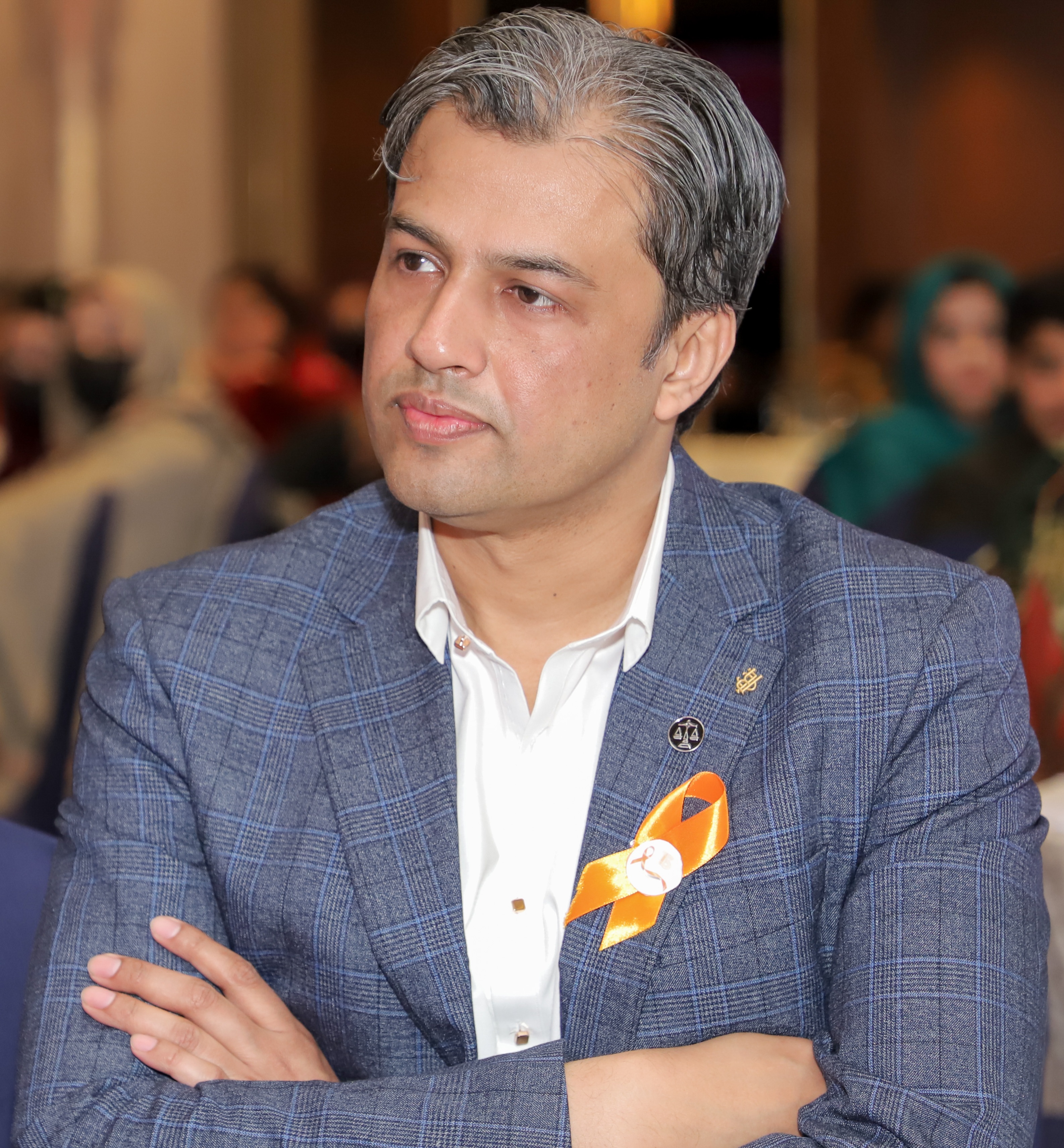
Syed Raza Ali - Chief Executive Officer and Head of the National Executive Committee (Raza.a@pjn.org.pk)
Mr. Raza Ali is a pioneering leader in Pakistan’s rule of law, human rights and grassroots justice sector, currently serving as the Founder and Chief Executive Officer of the Peace & Justice Network (PJN)—a national alliance of 70 civil society organizations advancing legal empowerment, human rights, peacebuilding, and justice sector reforms across Pakistan. He has spearheaded transformative initiatives, including the creation of PakProbono, the country’s first network of volunteer lawyers, and Haqq, Pakistan’s first mobile legal empowerment app. His leadership extends to managing the Community Legal Services Forum (CLSF), developing Asia’s first legal incubator, and building case management systems for legal aid centers. As a technical advisor to key federal ministries and a member of various high-level committees, Mr. Ali has shaped justice policies aligned with the SDGs. With over a decade of experience managing multimillion-dollar donor programs funded by UNDP, DFID, USAID, and the World Bank, and a professional background in telecom sector innovation at Mobilink, he brings a rare blend of grassroots justice reform and strategic corporate acumen to drive inclusive and sustainable development in Pakistan.


Copyright © 2026 pjn.org.pk